Hemorrhoids occur when veins in the rectum or anus swell due to prolonged straining, prolonged sitting, or chronic constipation. Internal hemorrhoids often cause painless bleeding, while external and thrombosed hemorrhoids can cause discomfort, itching, and localized pain.
Many cases of hemorrhoids can improve with non-surgical approaches, and consistent conservative management can help reduce symptoms for several weeks. Understanding the type of hemorrhoid can facilitate discussions about appropriate treatment options and treatment expectations.
Over-the-Counter Pain Relief Options
Various over-the-counter products are available to help manage hemorrhoid symptoms. These preparations work in different ways to provide relief:
- Creams and ointments may contain ingredients that help reduce inflammation, provide temporary numbness relief, or soothe irritated tissue. These are usually applied to external hemorrhoids after cleaning the area.
- Barriers, such as petroleum-based products, can be applied before a bowel movement to reduce friction. Other barrier creams help protect the skin while absorbing excess moisture that can worsen irritation.
When using over-the-counter hemorrhoid products, it’s important to follow the directions on the packaging. Some products are intended for short-term use only. If you’re unsure which product is appropriate for your symptoms, consult a healthcare professional or pharmacist for guidance.
Sitz Bath
A sitz bath involves sitting in a shallow plastic basin that fits over the toilet and is filled with warm water or a mild saline solution. The water covers your lower body, helping increase blood flow to the anal area and relax the internal anal sphincter. This non-invasive approach can reduce pressure on swollen hemorrhoids and provide relief during flare-ups.
- Preparation and Use: Fill a sitting basin with lukewarm water to just cover your hips and buttocks. Your healthcare professional can advise you on how long and how often to soak based on your condition.
- After Soaking: Gently pat the area dry or use a hair dryer on a cool setting to avoid friction. Keeping the skin clean and dry helps prevent irritation or infection.
Diet Modifications for Softer Stools
- Fiber helps absorb water to soften stool, reducing painful straining during bowel movements.
- Soluble fiber forms a gel-like texture, while insoluble fiber adds bulk to support regularity.
- Increase your fiber intake gradually to minimize digestive discomfort such as gas or bloating.
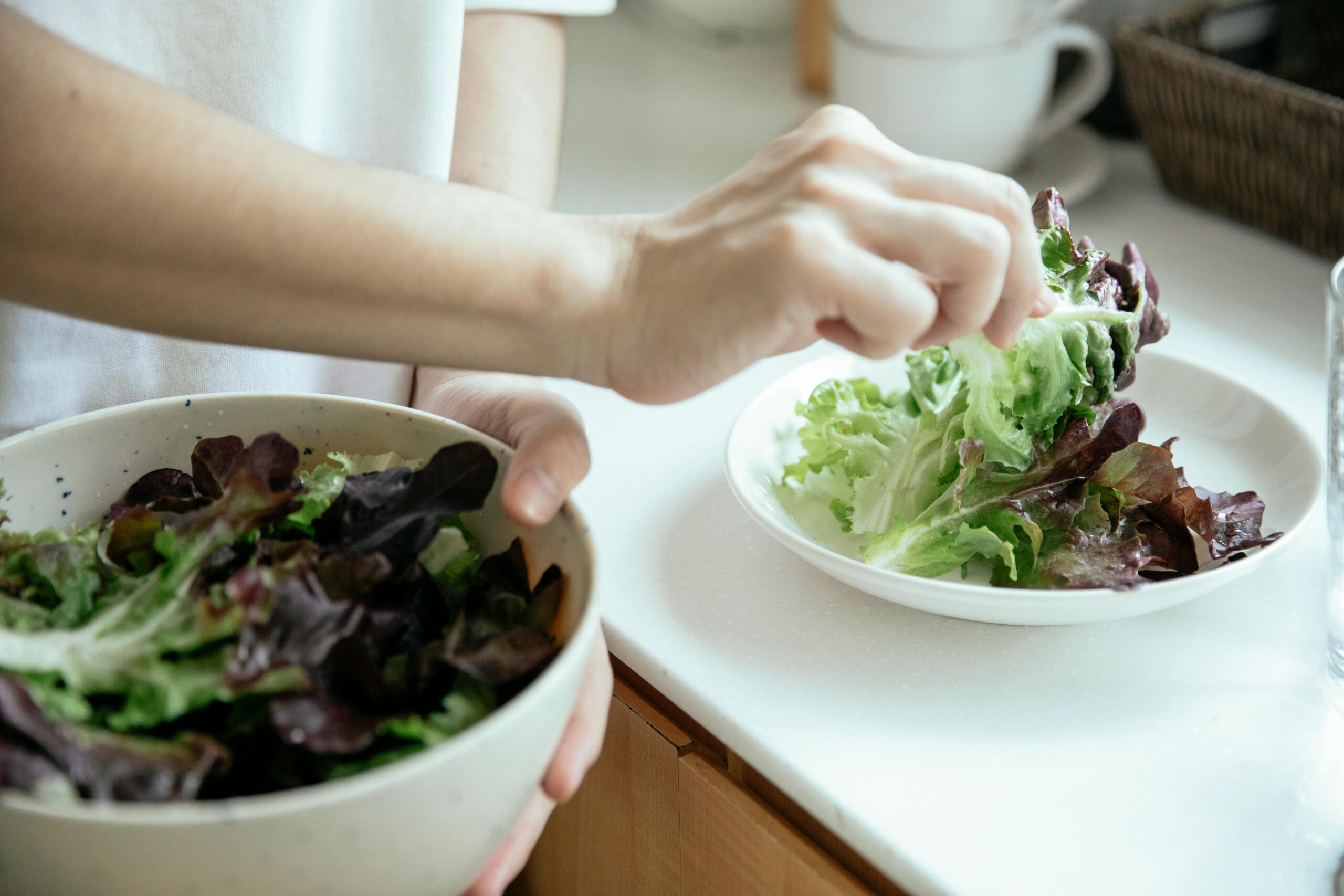
- Eating more fruits, vegetables, whole grains, and fiber supplements can help soften stools while ensuring adequate nutrition.
- Drink plenty of water, especially when taking fiber supplements, to prevent constipation.
- Aim for soft, easy-to-pass stools with a consistency similar to toothpaste.
Hydration and Fluid Management
Water works with dietary fiber to help keep stool soft and allow it to pass through the digestive tract comfortably. Consistent hydration helps prevent hardening of the stool and reduces rectal pressure that can contribute to hemorrhoid recurrence.
- Water works with fiber to keep stools soft and easy to pass.
- Dehydration can make stools hard, regardless of your fiber intake.
- Pale yellow urine is a simple indicator of adequate hydration.
- Balance diuretic drinks like coffee or alcohol with extra water consumption.
- Hydrating foods like broth, watermelon, and other fruits and vegetables contribute to your daily fluid goal.
- Drinking water in the morning can help stimulate natural bowel activity for easier evacuation.
Toilet Habits That Reduce Pressure
Minimizing time spent on the toilet is crucial for hemorrhoid recovery, as prolonged sitting and straining puts direct pressure on the veins in the pelvic floor. To minimize this, treat the toilet as a single-purpose location by eliminating distractions like smartphones and aiming to complete a bowel movement within a few minutes.
Responding promptly to the natural urge to defecate helps prevent stool from hardening in the rectum, which can cause strong straining that can worsen symptoms.
Using a footstool to elevate the knees can help by straightening the anorectal angle, making bowel movements easier and reducing pelvic pressure.
? Did you know?
Squatting naturally straightens the rectum, making bowel movements easier. Using a footstool to elevate your knees while sitting on the toilet mimics this posture and can help reduce straining.
Physical Activity and Movement
- Regular movement encourages the muscles in the digestive tract to work efficiently, helping stool pass more easily.
- Prolonged periods of inactivity can slow intestinal transit, leading to harder stools and increased straining.
- Light activities such as daily walking support consistent bowel movement regularity.
- Avoid lifting heavy objects during a flare-up, as this can increase pressure on the rectal veins.
- Low-impact exercises like swimming or water-based activities reduce pressure on hemorrhoids while keeping you active.
- Kegel exercises strengthen the pelvic floor, offering additional support to the rectal area.
Minimally Invasive Procedures
This procedure is performed in a clinic without requiring general anesthesia or hospitalization, and often allows for a quicker return to daily activities. This procedure is generally considered for Grade 1 to 3 internal hemorrhoids when lifestyle measures and conservative management have not completely relieved symptoms.

- Rubber Ring Ligation: A small elastic ring is placed at the base of the hemorrhoid to reduce its blood supply, causing the tissue to shrink and fall off over a few days.
- Sclerotherapy: A chemical solution is injected directly into the hemorrhoid tissue to encourage shrinkage and scar formation, usually with minimal discomfort.
- Infrared Coagulation: Targeted heat energy creates scar tissue to reduce blood flow to smaller internal hemorrhoids, helping them reduce in size.
⚠️ Important Note:
Very painful thrombosed external hemorrhoids may require minor drainage in the first few days to provide relief. This procedure is usually performed by a healthcare professional under local anesthesia.
Lifestyle Measures to Help Manage Hemorrhoids
Sustained relief from hemorrhoids often involves adopting lifestyle habits that reduce pelvic pressure. This includes maintaining a high-fiber diet and staying well-hydrated to help keep stools soft, while limiting time on the toilet to avoid straining.
Managing your weight and avoiding prolonged sitting by taking regular breaks from standing or walking can help reduce pressure on rectal veins. Additionally, addressing underlying factors such as chronic coughing and lying on your side during pregnancy can also help prevent sudden or sustained increases in abdominal pressure that can contribute to hemorrhoid recurrence.
When to Seek Professional Help
- Persistent bleeding that does not improve after several weeks of conservative treatment
- Blood that appears darker or mixed in the stool than on the surface
- Hemorrhoidal tissue that protrudes and cannot be pushed back in
- Pain that interferes with daily activities or sleep
- Signs of infection, such as increasing pain, fever, or discharge
- Symptoms first occur in old age
- Any change in bowel habits accompanied by symptoms of hemorrhoids
Frequently Asked Questions
How quickly will symptoms start to improve?
Many patients experience improvement within the first week of consistent conservative treatment, with further improvement occurring over several weeks. Fiber supplements may take a few days to help regulate bowel movements. Topical medications may provide faster symptom relief, but they don’t address the underlying cause.
Can hemorrhoids improve without surgery?
Grade 1 and 2 hemorrhoids often improve with lifestyle changes, especially if these habits are maintained over time. Higher-grade hemorrhoids may shrink and become less symptomatic, although they may still persist. The likelihood of recurrence varies depending on how well causative factors, such as straining and low fiber intake, are managed.
Are there any foods that can make hemorrhoids worse?
Spicy foods don’t cause hemorrhoids, but they can irritate existing symptoms during bowel movements. A low-fiber diet, including processed foods, as well as a high intake of dairy products or alcohol, can contribute to constipation. Consuming large amounts of red meat can also slow digestion. Overall, diet plays a bigger role than any one specific food.
Is it safe to exercise with hemorrhoids?
Exercise can support hemorrhoid management by improving bowel movement regularity. It’s generally recommended to avoid heavy lifting during a flare-up, especially exercises that involve holding your breath. Cycling can cause discomfort due to pressure on the saddle; standing up periodically and using a padded saddle can help reduce discomfort. Activities such as walking and swimming are usually well tolerated.
When should I consider procedures other than lifestyle changes?
The procedure may be considered if symptoms persist despite consistent conservative treatment for several weeks, if hemorrhoids frequently prolapse, or if symptoms such as bleeding or discomfort persist despite treatment. This treatment is often used in conjunction with lifestyle measures, which remain important to reduce the risk of recurrence. A healthcare professional can advise whether further intervention may be appropriate.
The next step
Increasing fiber intake, staying well hydrated, and practicing proper toileting habits can help address contributing factors. Conservative measures, along with appropriate topical treatments, are recommended while seeking medical advice.
If you experience persistent bleeding, prolapse, or pain that interferes with your daily activities, consult a colorectal surgeon. They can assess the severity of your hemorrhoids and discuss appropriate treatment options, including in-office procedures or surgery, if necessary.